


A New Era of Formula 1: First New Car Launches
January 19, 2026Formula 1 is on the brink of a major transformation as the 2026 season approaches, bringing sweeping regulation changes and a new generation of cars!
Formula 1 is heading into one of the most dramatic transformations in its modern history, with the 2026 season set to introduce sweeping regulation changes that will redefine the way the sport looks, sounds and competes. Fundamental shifts to aerodynamics, the introduction of active aero systems and a major overhaul of power units with a greater emphasis on electrical energy and sustainability have forced teams to rethink their entire design philosophy. As a result, the unveiling of new cars has taken on added significance, offering the first real insight into how teams are approaching this new era. While not every team has revealed their challenger yet, early launches from Red Bull Racing and Racing Bulls have already begun to shape expectations and set the tone for Formula 1’s future.
Red Bull Racing
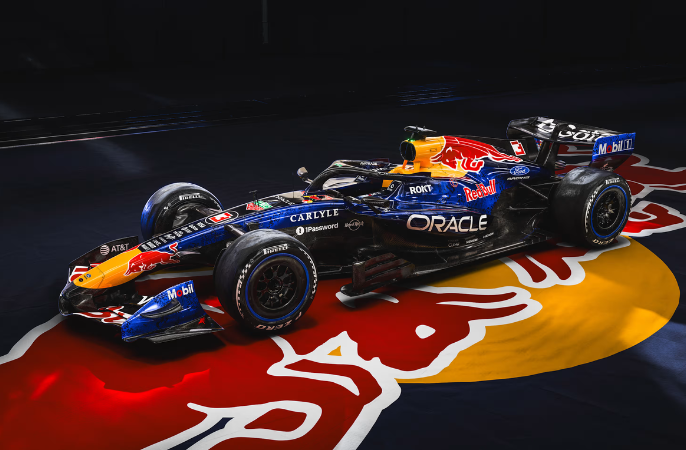
Red Bull Racing were among the first teams to launch their 2026 car, unveiling their new challenger at a high-profile event in Detroit at the historic Michigan Central Station. The reveal was about far more than just a new livery, as it marked a major turning point in the team’s history with the official debut of the Red Bull Ford Powertrains partnership. This collaboration sees Ford return to Formula 1 power unit development for the first time in over two decades and represents Red Bull’s first-ever move to producing its own engines entirely in-house.
Source: Formula 1
Visually, the car blends heritage with modernity, featuring a striking glossy finish that nods to Red Bull’s early years in Formula 1 while maintaining the familiar navy base, bold red bull graphic and yellow detailing that have become synonymous with the team’s dominance in recent seasons. Four-time world champion Max Verstappen remains the cornerstone of the team, while Isack Hadjar steps up after impressing within the Red Bull junior system, bringing fresh energy to the lineup.
Behind the scenes, Red Bull’s technical leadership has described the 2026 engine regulations as one of the most complex challenges the team has ever faced, underlining the scale of the project as they transition into a full works operation. The launch ultimately symbolised both continuity and ambition, with Red Bull clearly aiming to carry its winning culture into a bold new chapter.
Racing Bulls
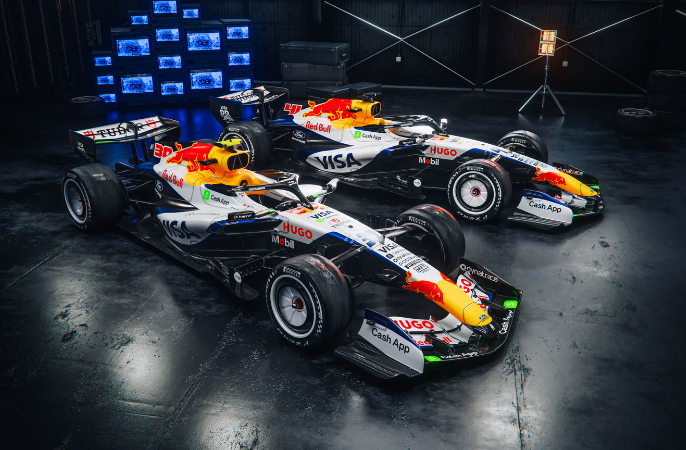
Racing Bulls also unveiled their 2026 car as part of the same Detroit launch event, reinforcing their close technical and strategic alignment with Red Bull while continuing to define their own identity on the grid. Formerly known as AlphaTauri, the team’s latest livery builds on its recent design direction, featuring a predominantly white base accented by Red Bull branding and touches of Ford’s signature blue.
Source: Formula 1
The clean and sharp aesthetic reflects the team’s evolving role as both a competitive midfield contender and a key platform for developing young talent. Team representatives highlighted just how significant the 2026 regulation changes are, describing them as among the most extensive Formula 1 has ever seen, particularly in terms of power unit philosophy and aerodynamic concepts.
By aligning closely with Red Bull and Ford on the new powertrain project, Racing Bulls have positioned themselves to maximise technical stability while aiming to step out from the shadow of their sister team. With Liam Lawson and highly rated youngster Arvid Lindblad fronting the launch, the reveal also emphasised the team’s commitment to youth, innovation and long-term growth as Formula 1 enters a new era.
Haas – January 19
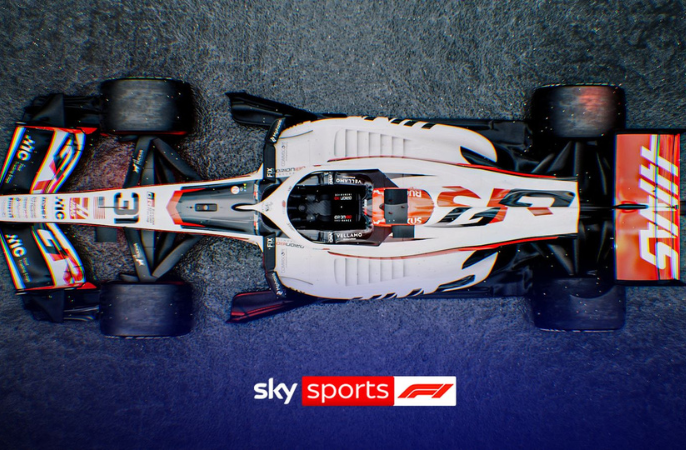
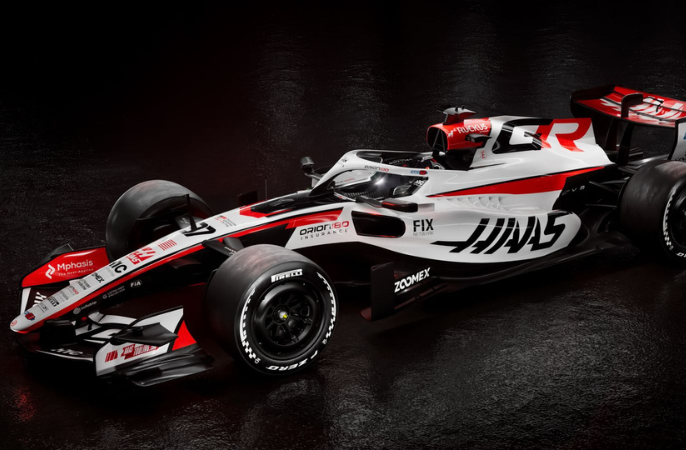
Haas unveiled its 2026 Formula 1 challenger, the VF-26, on January 19, offering one of the earliest detailed views of a car designed entirely around the sport’s new technical regulations. The team presented the VF-26 through a series of official digital renders, revealing a machine that reflects Formula 1’s push towards smaller, lighter and less drag-heavy cars, in line with the sweeping aerodynamic and weight changes coming into force for 2026.
Source: Sky Sports
Visually, the car features a predominantly white livery with red accents, alongside prominent Toyota Gazoo Racing branding, highlighting the team’s expanded partnership with the Japanese manufacturer. Haas will continue with Esteban Ocon and Oliver Bearman as its driver pairing for the new season, maintaining stability as the sport enters a new era, while Ayao Komatsu remains at the helm as Team Principal.
Power will once again come from Ferrari, with the VF-26 built around the new hybrid power unit regulations that introduce a 50:50 split between internal combustion and electrical energy, running on 100 per cent sustainable fuel. By revealing a complete car design rather than a livery-only show car, Haas has provided a clearer indication of how teams are interpreting the new rules, underlining the scale and complexity of the challenges facing Formula 1 ahead of the 2026 season.
Source: Sky Sports
Audi – January 20
Audi unveiled its 2026 Formula 1 car, the R26, at a launch event in Berlin on January 20, marking the manufacturer’s first official season on the grid following its takeover of the former Sauber team. Now competing under the name Audi Revolut F1 Team, the German brand revealed a striking livery built around a silver titanium base, complemented by black detailing and lava red accents, with Revolut featured prominently as the team’s title partner and Audi’s iconic four rings displayed across the car.
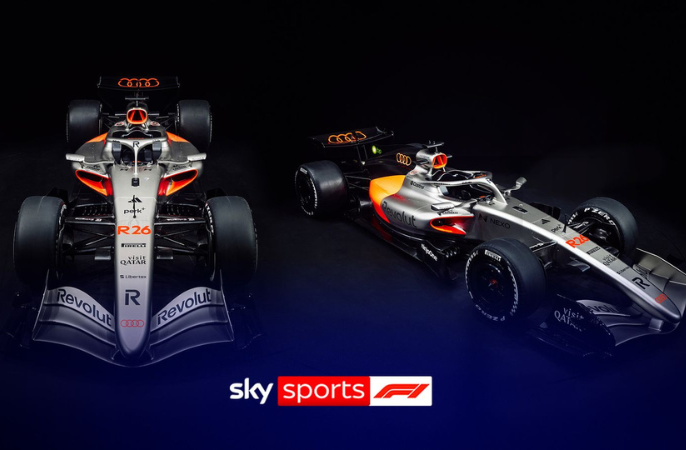
View video (Source: Sky Sports)
The launch took place at the Kraftwerk venue in Berlin and formed part of a wider brand presentation, which also included the unveiling of bespoke teamwear developed in partnership with adidas, highlighting Audi’s focus on a strong and unified visual identity both on and off the track. Audi enters Formula 1 at a time of major regulatory change and has committed to a long term project that includes the development of its own in house power unit alongside its chassis programme.
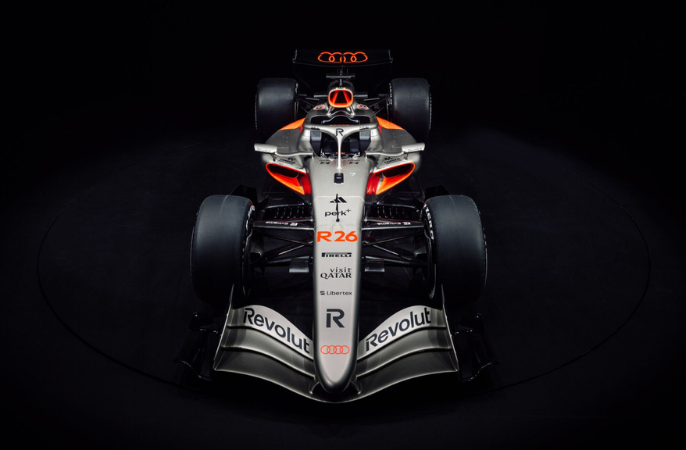
The team will continue with Nico Hülkenberg and Gabriel Bortoleto as its driver pairing for the 2026 season, carrying continuity from the final year of Sauber, as Audi begins its Formula 1 journey with the long term ambition of becoming a championship contender by the end of the decade.
Mercedes – January 22
Mercedes revealed its 2026 Formula 1 car, the Mercedes-AMG F1 W17 E PERFORMANCE, on January 22, offering the first official look at the team’s challenger built specifically for the new era of regulations.
The W17 features an updated silver and black livery with teal highlights, maintaining the team’s iconic identity while adapting to revised bodywork and sponsor placement under the new aerodynamic and design rules. The car has been designed to be smaller, lighter and narrower than its predecessor, reflecting the 2026 technical philosophy that introduces movable aerodynamic elements to better manage downforce and drag.

Source: BBC Sports
Mercedes will field George Russell and Kimi Antonelli as its driver pairing for the season, combining experience with emerging talent as the team looks to reset under the new rules. The W17 completed its first on-track running during a Silverstone filming day, allowing both drivers to familiarise themselves with the car ahead of official pre-season testing in Barcelona.
Team Principal Toto Wolff has described the regulation changes as one of the most significant technical transitions in Formula 1 history, underlining the scale of the challenge and Mercedes’ focus on innovation and long-term performance as the sport enters its next chapter.
Ferrari – January 23
Ferrari unveiled its 2026 Formula 1 car, the SF-26, on January 23 at its Maranello headquarters, revealing the team’s first challenger designed entirely under the new technical regulations. The SF-26 features a refreshed livery that returns to a brighter red colour palette with white accents, blending Ferrari’s traditional identity with the visual changes required by the updated rules.
The car completed a short shakedown at Ferrari’s Fiorano test circuit, where Lewis Hamilton and Charles Leclerc both took to the track to begin familiarising themselves with the new machinery ahead of official pre-season testing.

Source: Formula 1
The SF-26 represents a full technical reset for the team, with major changes to its aerodynamic concept and suspension architecture to suit the 2026 regulation framework, including new approaches to downforce generation and hybrid energy deployment. Developed under the technical leadership of Loïc Serra on the chassis side and Enrico Gualtieri on the power unit programme, the car marks a fresh chapter for the Scuderia as it looks to convert its long-term engineering experience into competitive advantage in Formula 1’s next era.
The SF-26 is expected to make its competitive debut at the Australian Grand Prix, with early running at Fiorano forming the foundation of Ferrari’s preparation for the season ahead.
Alpine – January 23
Alpine revealed its 2026 Formula 1 car on January 23, showcasing the team’s latest challenger designed around the sport’s brand-new technical regulations.
The car features a fresh livery that highlights Alpine’s signature blue tones, complemented by sleek lines and sponsor placement that reflect both the team’s identity and the visual demands of the updated aerodynamic rules. The launch presentation focused on how Alpine’s design team approached the challenges of the new regulations, particularly around downforce management and weight distribution, as the sport moves toward smaller, more efficient cars with greater hybrid energy usage.

Source: Formula 1
Alpine has retained its driver lineup for the season, with both drivers selected to continue building continuity as the team adapts to the regulatory overhaul and seeks performance stability. Behind the scenes, Alpine’s engineering lead highlighted the importance of balancing innovative design with reliability, especially given the scale of change in the 2026 technical framework.
The team also emphasised its ongoing commitment to sustainability goals, aligning its power unit development with the sport’s move toward 100 percent sustainable fuel and a greater emphasis on electrical energy within the hybrid system. Alpine’s early reveal reflects its intent to understand and optimise the new rules as quickly as possible, laying the foundation for its competitive aspirations in the next era of Formula 1.
Williams – February 3
Williams revealed its 2026 Formula 1 car, the FW48, unveiling the team’s new livery and design as it prepares to compete under the sport’s updated technical regulations. The FW48 features a visual identity that blends Williams’ traditional blue and white colours with refreshed sponsor placement and aerodynamic surfaces tailored to the demands of the new rules, which emphasise reduced downforce and refined airflow management.

Source: Sky Sports
While the team missed some on-track running at the Barcelona pre-season test due to logistical delays, the FW48’s design reveal provided fans with the clearest look yet at how Williams has interpreted the 2026 aerodynamic and technical framework. The car incorporates the latest generation Ferrari power unit, aligned with the hybrid regulations that increase the role of electrical energy and mandate the use of sustainable fuel, as Williams seeks both performance and efficiency gains.
Williams’ leadership described the new season as a critical opportunity to build on recent progress, with the team prioritising a reliable baseline and strong development trajectory as it adapts to the sport’s most significant set of regulation changes in years. The FW48 reveal marked a key milestone in Williams’ preparations for the 2026 season, setting the stage for the team’s efforts to make up ground as official testing and competitive racing approach.
Cadillac – February 8
Cadillac revealed its debut Formula 1 car and livery for the 2026 season on February 8, unveiling the American manufacturer’s first challenger following its entry into the sport as part of its strategic partnership with Andretti. The launch showcased a distinctive livery that combines Cadillac’s signature black and white colour palette with bold red accents, creating a striking visual identity as the team prepares to make its competitive debut.
Cadillac’s entry into Formula 1 represents a significant milestone for the brand, marking its return to top-level motorsport competition and introducing a new name to the world championship grid. The launch event highlighted the technical and design work that has gone into the car, which has been developed to comply with the sport’s comprehensive new technical regulations, including the move toward cars that generate downforce more efficiently and incorporate hybrid power units running on 100 percent sustainable fuel.
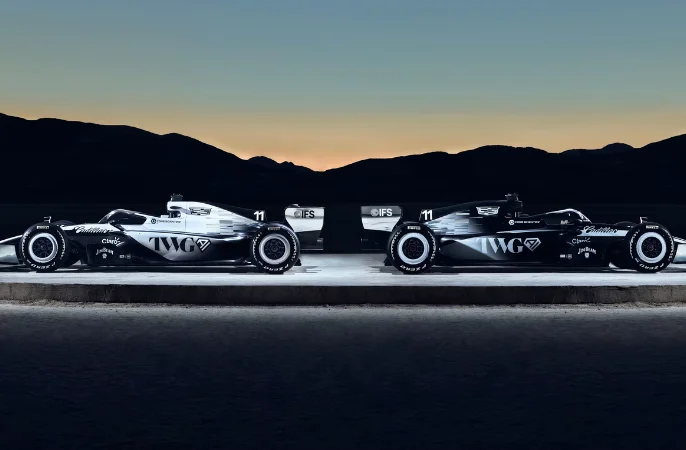
Source: Formula 1
While Cadillac continues its preparations ahead of official pre-season testing, the reveal provided fans and industry observers with the clearest look yet at how the team’s engineers and designers have approached the unique challenges of the 2026 rulebook. With its competitive debut on the horizon, Cadillac’s first Formula 1 car reflects both the brand’s heritage in performance engineering and its ambitions as it steps into one of the most closely watched eras in the sport’s history.
McLaren – February 9
McLaren revealed its 2026 Formula 1 car, the MCL40, on February 9, giving fans and competitors alike a first look at a challenger designed around the sport’s sweeping new set of technical regulations. The launch featured a familiar papaya and blue livery, continuing McLaren’s distinctive colour identity as worn by Lando Norris and Oscar Piastri, who will remain the team’s driver pairing for the upcoming season.
While the visual update maintains the team’s traditional palette, McLaren’s engineers emphasised that the MCL40 incorporates significant changes beneath the surface to meet the 2026 aerodynamic and hybrid power unit requirements, with revised bodywork and airflow management features tuned to the updated rules. The car’s unveiling took place ahead of pre-season testing, enabling the team to begin early evaluations and build momentum as the new campaign approaches.
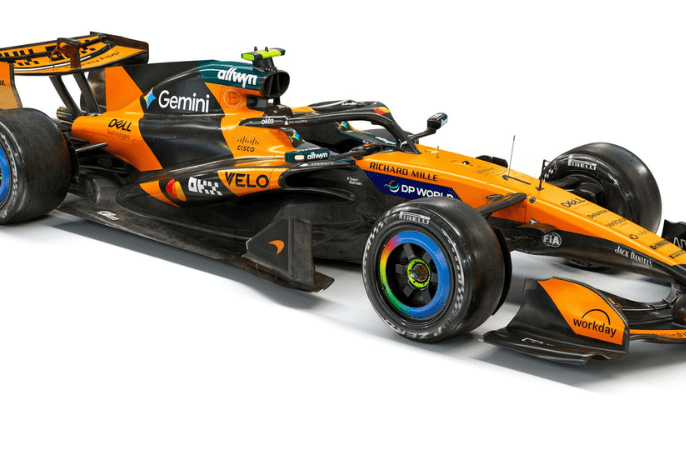
Source: Sky Sports
McLaren has stated that its development focus includes improving aerodynamic efficiency and maximizing performance under the revised regulations, which represent one of the most substantial technical shifts in Formula 1 in recent years.
By presenting the MCL40 at this stage, McLaren has offered supporters a clear view of how it plans to navigate the next era of competition while maintaining the continuity and competitive ambition that have defined the team’s recent progress.
Aston Martin – February 9
Aston Martin revealed its 2026 Formula 1 car on February 9, presenting a fresh livery and updated visual identity as the team prepares for the new regulations that will reshape the sport. The launch showcased a design that retains the team’s signature British Racing Green, accented with modern detailing and sponsor placement that aligns with the revised aerodynamic rules introduced for 2026.
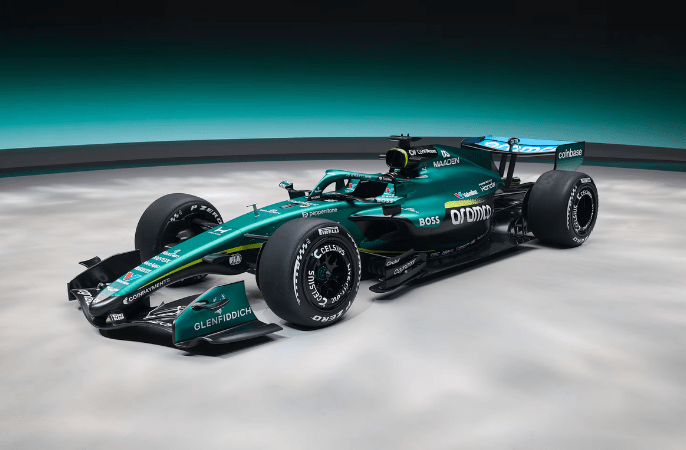
Source: Formula 1
While the initial reveal focused on the car’s appearance, Aston Martin has emphasised that the underlying design work reflects significant adaptation to the sport’s new technical framework, with changes to bodywork, airflow management and hybrid power unit integration that are part of Formula 1’s biggest regulatory overhaul in years.
The team will continue with its driver lineup into the 2026 season, maintaining continuity as it works to translate the new car’s conceptual potential into on-track performance. As pre-season testing approaches, Aston Martin has underscored its commitment to performance and development within the context of the sport’s evolving regulations, using the launch as a springboard for the next phase of preparation ahead of competitive action.
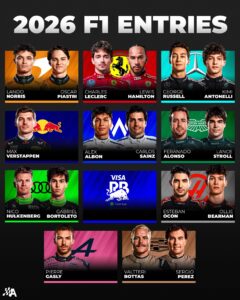
With the introduction of the new Formula 1 car regulations for 2026, the scale of change across the grid has never been more visible. Each launch reflects a different interpretation of the new technical framework, from aerodynamic philosophy and power unit integration to branding and team identity, highlighting just how transformative this new era will be for the sport.
As all the teams reveal their challengers and development continues ahead of the first race, it’s clear that 2026 will not just mark a new season, but the beginning of a fundamentally different chapter in Formula 1, where innovation, adaptability and long-term vision will define success.
Experience the future of Formula 1 in 2026!
As Formula 1 prepares to enter one of the most dramatic new eras in its history, excitement is already building around the arrival of the 2026 season and the unveiling of the sport’s next generation of cars. With sweeping regulation changes reshaping aerodynamics, power units and the overall look of the grid, anticipation is growing as teams begin to reveal their challengers for this bold new chapter.
There is no better way to experience this evolution of Formula 1 than with Corinthian Sports in the Pegasus Lounge. From the first glimpse of innovative car designs to the on-track battles that will define the new era, guests can enjoy every moment from a premium hospitality setting. With exceptional dining, prime viewing locations and an atmosphere that brings you closer to the action, the Pegasus Lounge offers an unforgettable way to witness Formula 1’s future unfold.
Join Corinthian Sports in the Pegasus Lounge at:
- Formula 1® Pirelli British Grand Prix
- Formula 1® TAG Heuer Grand Prix de Monaco
- The Podium Suite at the Etihad Airways Formula 1® Abu Dhabi Grand Prix
- And selected Formula 1® Grands Prix throughout the season
Be part of Formula 1’s next chapter in 2026, immerse yourself in the atmosphere, and experience every innovation, rivalry and race-defining moment in style. The future of the sport is arriving — and the best seat in the house is ready and waiting.


Follow Us:
Like Sports? Signup to our Newsletter!
Our Latest Events:




Interested in Attending An Event?
Complete the form and download our FREE events brochure!
[gravityform id=”120″ title=”false” description=”false” ajax=”true” tabindex=”49″]