

Guinness Men’s Six Nations 2026: Round 1 Recap
February 11, 2026A dramatic Six Nations opener saw England, France and Italy rise, & warning signs for Scotland, Wales and Ireland as the championship ignites.
The 2026 Guinness Men’s Six Nations burst into life this weekend with a powerful opening round that immediately shaped the narrative for the championship ahead. From dominant statement wins to gritty underdog victories and early warning signs for some of the tournament’s traditional heavyweights.
Round 1 delivered drama, statement victories and plenty of talking points. This opening weekend didn’t just give us results, it gave us storylines.
With predictions tested, reputations challenged and new leaders emerging, the championship already feels wide open and intense. Here’s a full breakdown of each match, how teams performed against expectations, who stood out, and what the results mean going forward.
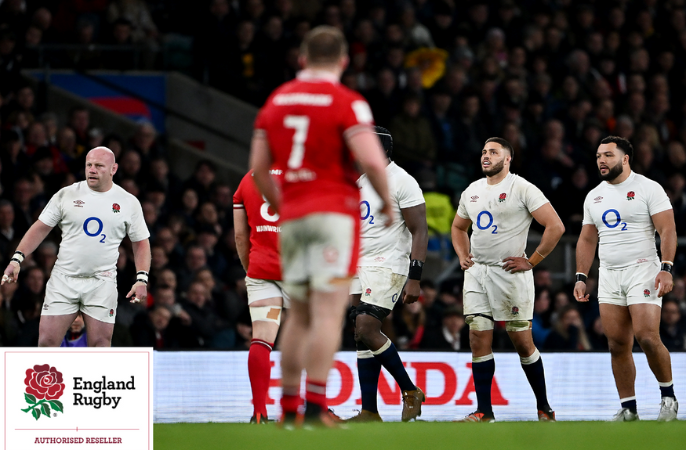
England v Wales
Final score: England 48, Wales 7
England didn’t just win this game, they controlled it from start to finish. From the opening phases, there was a calm confidence about their play, built around structure, discipline and an attacking shape that actually looked planned rather than improvised. Their forwards dominated the contact areas, their backs played with freedom, and their game management never wavered.
This felt like a team that knew exactly what it wanted to do and executed it properly.
Wales, by contrast, looked overwhelmed early and never truly recovered. Defensive gaps appeared almost immediately, communication broke down under pressure, and confidence visibly drained as the scoreline grew. England’s tempo, accuracy and physicality exposed those weaknesses brutally. By half time, the contest already felt over, and the second half simply became an exercise in control and execution for the hosts.
How did the game compare to predictions?
England were widely expected to win, but not many predicted such a dominant margin. Pre-tournament talk suggested England were building well but still developing cohesion. This performance answered those doubts. Wales were expected to struggle this year, but the scale of the defeat highlighted just how far off the pace they currently look.
For a deeper look at the growing gap between England and Wales, find out more about Wales’ recent results against England, and how the gap between the two nations continues to widen.
Stand-out performers
Henry Arundell
Arundell was electric. His pace, timing and finishing were exceptional, but what stood out most was his intelligence. He didn’t just rely on speed; he read space brilliantly, chose the right running lines and punished every defensive mistake. His hat-trick wasn’t flashy chaos rugby, it was clinical execution. He looked composed, confident and dangerous every time he touched the ball, the kind of player who changes the shape of a defence simply by standing on the wing.
George Ford
Ford ran the game like a conductor. His control at fly-half was calm and ruthless, dictating tempo, positioning his forwards perfectly and managing territory with intelligence rather than panic. His kicking game pinned Wales deep, his distribution created space, and his decision-making kept England structured. This was a performance built on experience and leadership, not just skill. England looked settled because Ford made them settled.
Ollie Chessum
In the engine room, Chessum was relentless. He dominated lineouts, disrupted Welsh ball, won collisions and set the physical tone early. His work rate never dipped, and his presence allowed England’s back row to play with more freedom. He didn’t grab headlines, but he controlled the platform that allowed England’s attack to flourish.
What’s next?
England head to Scotland next in what will be a far more emotionally charged and hostile environment. Murrayfield is never easy, and Scotland will be desperate to respond. If England play with the same composure and structure, they should win, but this will be their first real psychological test of the tournament.
Wales face France in Paris, and unless there is a dramatic turnaround in performance, confidence and cohesion, that fixture could become another heavy defeat.
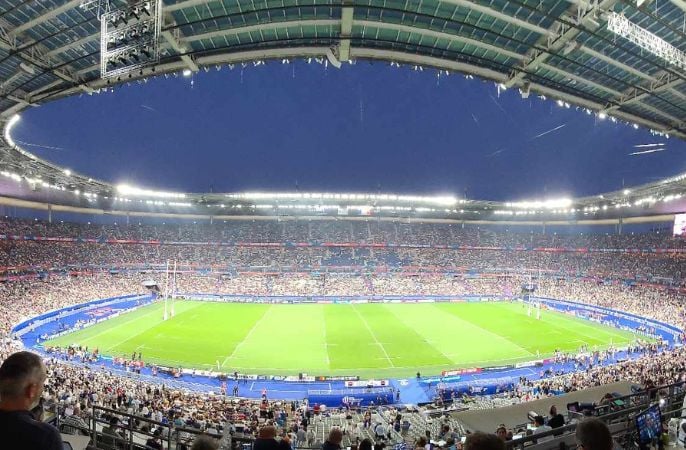
France v Ireland
Final score: France 36, Ireland 14
France looked every inch a championship contender. This was not just a win, it was a performance built on dominance, control and belief. From the opening exchanges, France played with intensity and clarity, winning collisions, slowing Irish ball and forcing mistakes. Their defence was aggressive but disciplined, and their attack was fluid without being reckless.
Ireland showed moments of quality, but they never truly imposed themselves on the game. They struggled to build sustained pressure, were repeatedly pushed backwards in contact, and lacked the clinical edge that has defined them in recent seasons. The French pack dictated the tempo, and once France had momentum, they never let it go.
How did the game compare to predictions?
France were favourites, but many expected a tight contest. Instead, this became a controlled and convincing French win. Ireland came in with uncertainty around transition and squad evolution, and those concerns were visible. France looked settled, powerful and confident in their identity. Ireland looked like a team searching for theirs.
Stand-out performers
Louis Bielle-Biarrey
Bielle-Biarrey was devastating in open space. His acceleration off the mark, footwork and awareness made him a constant threat. What made his performance special was not just the tries, but how often he forced defenders to commit, opening space for others. He stretched Ireland’s defensive line horizontally and vertically, giving France attacking width and unpredictability.
Antoine Dupont
Even without dominating headlines, Dupont’s influence was everywhere. His speed of delivery kept France’s tempo high, his decision-making under pressure was flawless, and his leadership lifted the intensity of those around him. He controlled the rhythm of the game, slowing it when needed, accelerating it when Ireland looked vulnerable. His presence alone changes the psychology of a match.
The French forward pack
This was a collective dominance. France won collisions, controlled rucks, disrupted Irish rhythm and physically imposed themselves throughout. It wasn’t flashy, but it was ruthless. They made Ireland uncomfortable in every phase and never allowed them to build momentum.
What’s next?
France face Wales next and will see it as an opportunity to build momentum and confidence. Ireland face Italy in what suddenly feels like a far more dangerous fixture than it would have six months ago. Pressure is already building.
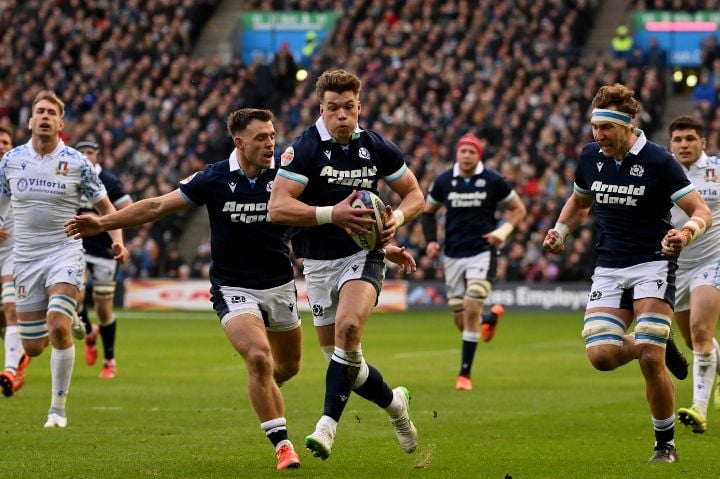
Italy v Scotland
Final score: Italy 18, Scotland 15
This was not a pretty game, but it was a meaningful one. Played in difficult conditions, the match became a test of composure, discipline and resilience. Italy handled it better. They stayed patient, managed territory smartly and took their chances when they came. Scotland, meanwhile, struggled to impose themselves and never truly looked comfortable.
Italy’s victory felt earned rather than lucky. They defended with discipline, controlled the pace, and showed a maturity that would have been unthinkable for them a few years ago. Scotland looked disjointed, rushed in key moments and emotionally flat.
How did the game compare to predictions?
Scotland were expected to win, but Italy’s improvement is now impossible to ignore. This result wasn’t a shock if you’ve watched Italy’s development, but it was a statement. Scotland’s struggles were more surprising, especially given the quality of their squad on paper.
Stand-out performers
Tommaso Menoncello
Menoncello was relentless in both attack and defence. He carried with intent, tackled aggressively, and brought physicality and energy to every phase. His try was a reward for constant pressure and intelligent positioning. He looks like the type of player Italy can build a team around.
Paolo Garbisi
Garbisi controlled the game beautifully. His kicking was calm and accurate, his decision-making under pressure was mature, and his leadership kept Italy composed in tense moments. He didn’t chase risky plays, he managed the game intelligently, which is exactly what Italy needed in those conditions.
What’s next?
Scotland face England at Murrayfield and now look under serious pressure. Italy travel to Ireland full of confidence and belief, and that fixture suddenly feels far more dangerous for the Irish than expected.
The Guinness Men’s Six Nations is underway, catch all of the action now!
Experience the Guinness Men’s Six Nations in true VIP style in the Pegasus Lounge with Corinthian Sports. From prime viewing and exceptional hospitality to an electric matchday atmosphere, the Pegasus Lounge offers the ultimate way to enjoy rugby’s greatest rivalries. Whether you’re entertaining clients or celebrating with friends, this premium setting brings together world-class sport, comfort and unforgettable moments throughout the Championship.
Make every matchday one to remember and elevate your Six Nations experience from start to finish!
Experience other world-class rugby events throughout the season, from iconic international clashes to unmissable fixtures across the global rugby calendar, all enjoyed from the comfort and exclusivity of the Pegasus Lounge, including:
Don’t miss out on an unforgettable Guinness Men’s Six Nations Series – Enquire today!


Follow Us:
Like Sports? Signup to our Newsletter!
Our Latest Events:



Interested in Attending An Event?
Complete the form and download our FREE events brochure!
[gravityform id=”120″ title=”false” description=”false” ajax=”true” tabindex=”49″]